Walking Tall: Clinical Case of SMO3D Intervention for Atypical Cruising in Early Childhood
Adriana’s Story
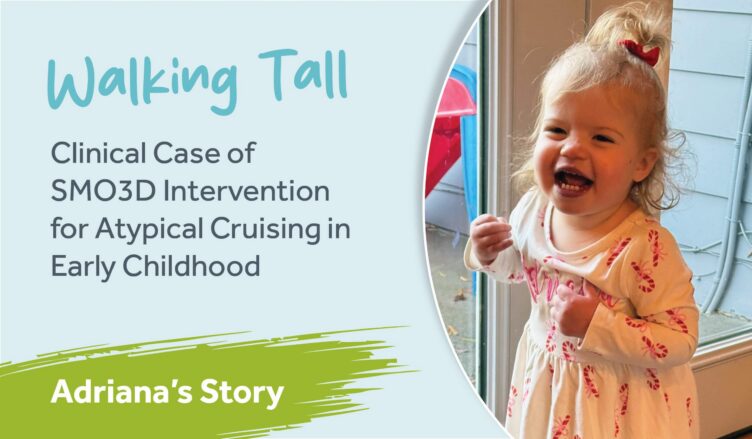
Adriana presented at 12 months of age able to crawl on the floor, pull to stand with support, and cruise along furniture. Her daycare teacher, however, identified that she preferred to cruise her toes more than her peers. At her 12-month pediatric visit, the parents voiced concerns about her cruising presentation, and their clinician recommended pursuing a physical therapy evaluation.
Adriana is a socially engaged, determined child who enjoys peer interaction, reading, and playing. She demonstrated no underlying neurological diagnosis or systemic condition explaining her preference for being on her toes while cruising. During physical therapy, they observed lack of core strength as she leaned on surfaces for support while cruising, resistance in ankle range of motion into dorsiflexion, and a windswept foot and ankle alignment that contributed to instability during upright movements. Her instability drove her to find stability by rising up on her toes in a more supinated and stable foot position while cruising. Although she is able to cruise flat footed for short distances, her frequent elevation to her toes could lead to persistent toe-walking, a relatively common early childhood gait deviation that, if not addressed, can lead to functional limitations in running, playing, and dynamic balance activities.
The Intervention: SMO3D
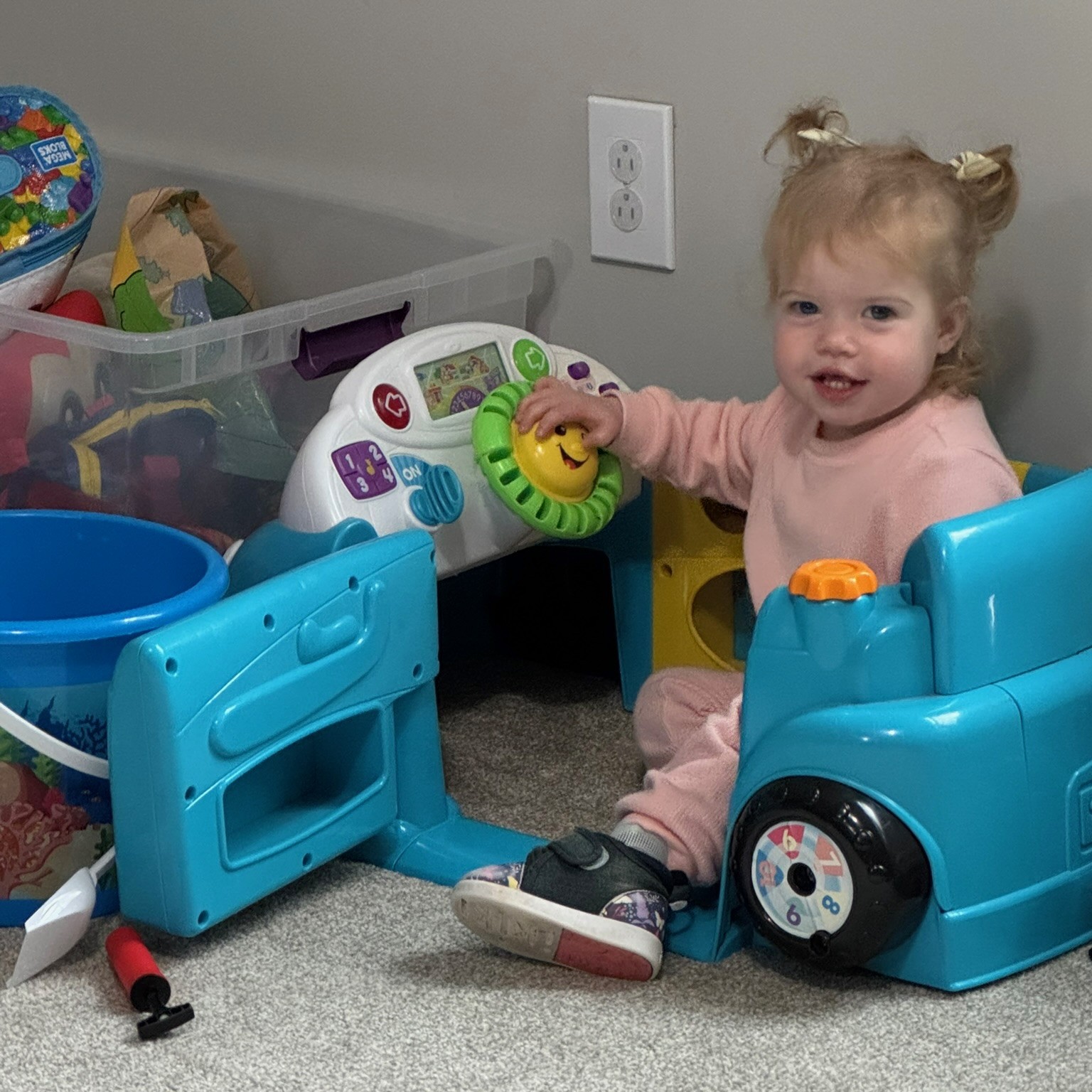
To provide Adriana with the tools needed for increased stability and encourage more typical motor development, Adriana was fit with bilateral Surestep SMO3D (supramalleolar orthoses) at 15 months. The SMO3D design provided the targeted support needed: encouraged optimal positioning during stance and swing while maintaining dynamic foot mobility needed for age-appropriate activities. The orthosis supported the medial arch and provided proprioceptive feedback through the foot and ankle using circumferential compression, enhancing motor control and promoting normal gait mechanics.
Notably, Adriana demonstrated excellent device tolerance from the start. This acceptance is critical because it allows the high-repetition practice necessary for movement retraining development and practice of quality movements to occur naturally through daily activity rather than requiring forced compliance.
Clinical Outcomes
Within days of receiving her SMO3Ds, Adriana began walking independently. Over the following weeks and months, additional motor skills emerged naturally. Adriana’s parents noted improvements in squatting, a skill requiring both ankle dorsiflexion control and balance, along with other weight-bearing activities previously limited by her frequent elevation to toes. Most significantly, Adriana progressed to running and playing with peers at a level consistent with her age group.
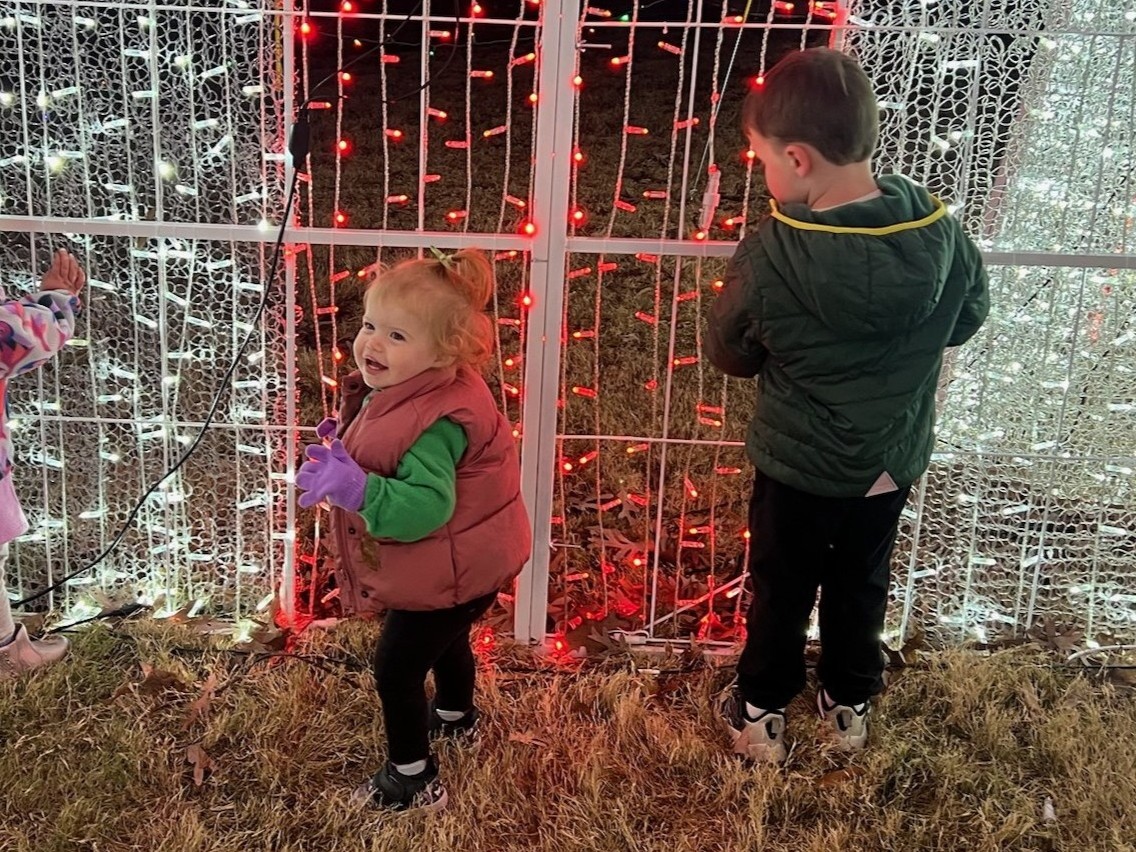
The emotional and behavioral impact deserves attention as well. Adriana “became happier and less frustrated once she could walk.” This is not incidental. When children cannot perform motor tasks at the level of their peers, frustration and social withdrawal can develop.1 Adriana’s improved mood and increased engagement in peer play indicate that addressing the gait deviation had a meaningful developmental impact beyond biomechanics.
Adriana’s case demonstrates that external support combined with typical daily activity can rapidly shift movement patterns and motor confidence. Her parents expressed what many families in this situation feel: without the SMO3D, they were uncertain whether their daughter would be able to walk normally. Early, appropriate intervention transformed that fear into confidence.
- Holloway, J. M., & Long, T. M. (2019). The Interdependence of Motor and Social Skill Development: Influence on Participation. Physical Therapy, 99(6), 761–770. https://doi.org/10.1093/ptj/pzz025